
The Accounting Teams Willing to Experiment Will Pull Ahead
The teams that develop that muscle early are going to move faster, adapt faster, and create more leverage than the teams waiting for the industry to force the change on them.

Look at your operating stack? Were most softwares built in the 90s/00s? Modern Accounting software (built in the 2020s), is making that abundantly clear!
For years, general ledger operations were constrained by the same problems. Headcount requests were denied while close timelines stayed the same. New products were launched without accounting visibility. Teams spent hours creating, posting, and reviewing journal entries inside systems that never felt built for accountants in the first place. You would read through thousand-page Big 4 manuals searching for one example that clarified a GAAP position, only to turn around and draft a twenty-page memo for internal alignment.
Much of the work became repetitive operational maintenance when it should have been focused on financial analysis, business partnership, and decision-making. The underlying systems rarely improved enough to change the experience. Excel hit its limits years ago. Outsourcing reduced costs in some areas but rarely reduced operational complexity.
What is striking about this moment is not just the speed of AI. It is how quickly ordinary accounting workflows begin to feel different once AI is introduced into them. Processes that previously required multiple systems, multiple follow-ups, multiple hours, and incredible expertise, can suddenly move with far less friction. Internal knowledge becomes easier to surface. Review preparation becomes faster. Recurring processes become more consistent. Teams regain time that used to disappear into administrative work.
The accounting teams seeing the biggest improvements right now are not necessarily the largest teams or the most technical teams. They are the teams willing to test new workflows early.
Their culture allows room to experiment. They explore new applications, pilot software during close cycles, and look closely at where operational bottlenecks exist inside the business.
That mindset matters more than most people realize.
Because unlike prior waves of accounting software, this generation of tools is accessible almost immediately. You do not need to overhaul your ERP. You do not need a technical implementation team before getting started. Most teams can identify one recurring pain point during month-end close and begin testing improvements around it within days.
Accounting will always rely on judgment, trust, and consistency. AI does not replace those qualities. It strengthens the teams already operating with them.
So here is a simple challenge after your next month-end close: spend time exploring one modern accounting AI product before the next close begins.
Run a pilot.
Test one workflow.
03See where friction disappears.
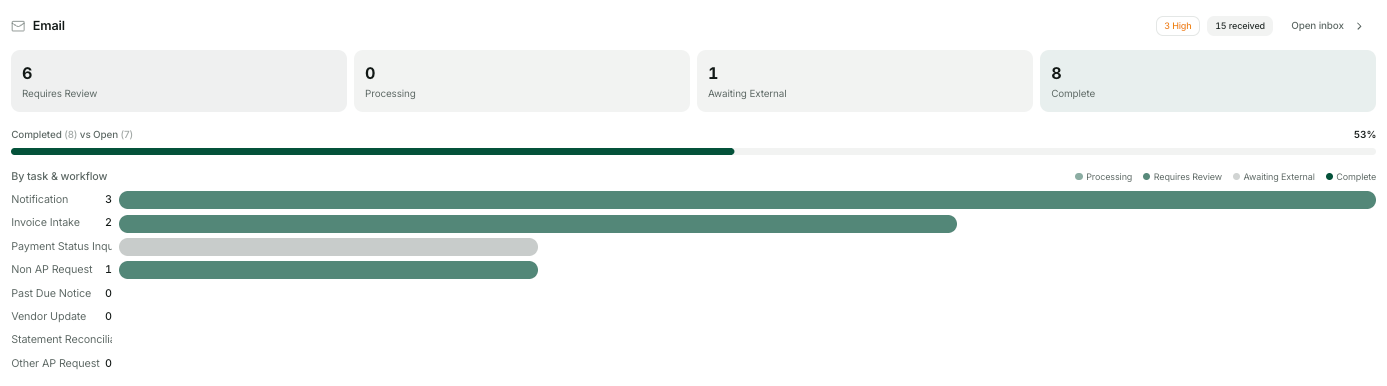
Maybe it is a better way to interact with NetSuite. Maybe it is a better way to manage accounting email workflows. Maybe it is a faster way to draft technical accounting memos. You may not recognize every company yet, but there are dozens of teams building products specifically designed to improve the daily lives of accountants. Trust me, TenKey is one of them.
The firms that develop the habit of experimenting now are going to move much faster than the firms waiting for the industry to force the change on them.